Changing the Dialogue Can Make a Big Difference in Student Wellbeing

By Ian Fagan and Julian Fagan
Editor’s Note: This is part one of a three-part series on student wellbeing.
Much has been made of the state of student wellbeing during the pandemic. On the back of decades of rising mental health concerns, a global lockdown has stripped students of one of the best defense mechanisms against mental illness: connection.
Direct-from-student sources such as the wellbeing software provider Skodel have measured self-reported positivity drop 55 percent during the COVID-19 lockdown. Schools who use this system are reporting close to 70 percent of student check-in feedback has made at least one reference to isolation as a driver of negativity.
For many school leaders, this data was confirmation of what they instinctively suspected within their communities. In fact, data consistently show the number one challenge stated by school administrators and teachers is the ability to meet the social emotional needs of their learners. In a recent national survey by the research and publishing firm the Learning Counsel, the ability to meet the social emotional needs of students was cited as the number one pain point among more than 400 responding school districts. Another study by Canva indicated that 85 percent of teachers said maintaining a connection with students during periods of remote learning was their greatest challenge, and 70 percent reported that their students were struggling in remote environments.
Obtaining the data to understand the social and emotional impacts is the important first step and perhaps the most difficult, but this data must be made actionable if outcomes are to be improved. The big question then, is how should school communities respond? Below are a few real-life examples of schools making small but effective changes to sharpen their focus on student wellbeing and connection:
- Changing language: The official term is social distance but one school has encouraged the adoption of the term physical distance so students and families recognize they can still be social, just in different ways. This school is positioned 15 percentage points above Skodel’s global average net wellbeing score during lockdown, which is calculated by the percentage of self-reported positive feelings minus the percentage of self-reported negative feelings on student check-ins. It reflects the level of positivity and small changes in language like the one above have contributed markedly towards improving that score.
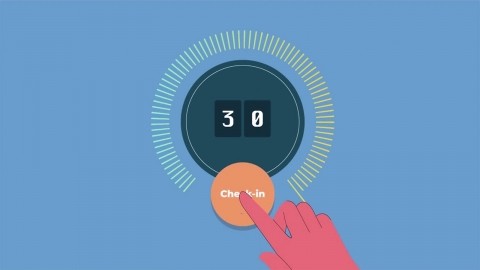
- Checking in: Students value it when teachers take an interest in their lives and the simple act of checking in remains the most powerful way to do this. When checking in, get creative with your questions and show students you’re listening. There have been several creative check-in questions, asking students what they would do if they were principal of the school right now or to share one thing about them that their teacher doesn’t currently know. Student responses have provided pockets of information that teachers have used to start a more meaningful conversation, make adjustments to their practice and in doing so showed students they are being listened to and respected. We have compiled a list of 25 questions to get to know your students as well as guidance on how to ask authentic questions.
- Sharing vulnerabilities: For all the damage a crisis like the pandemic can cause, it also presents a refreshing opportunity for teachers, students and families to let their guard down. One school has started an initiative called Wellbeing Wednesday. They’ve framed it like that so they can spend an hour having these conversations. Students recognize that this is a period dedicated to having the tougher conversations. Vulnerabilities are at the heart of strong connections, but conversations around vulnerabilities rarely take place amidst the busyness of a typical school day. In many ways, the crisis presents schools with an excuse to sit down and start this conversation, one that otherwise may not take place if there was no glaring reason to have it. At the right moment, ask students to share what has been most challenging for them during this pandemic.
A lot of talk suggests that this pandemic will revolutionize education, but the immediate opportunity for change lies in changing the dialogue rather than changing the system. For parents, the question of ‘How was your day at school?’ can now be met with more meaningful and insightful responses by their children. For school leaders and teachers, conversations centered on the school syllabus can be coupled with conversations around student wellbeing.
Even with the tremendous challenges presented by the COVID-19 pandemic, we have the opportunity to build school communities where open and honest conversations flow within the daily routine of school life and where every student is known. It is the role of teachers, principals and parents to start this dialogue and keep it going.
About the authors
Julian Fagan learned through personal reflection that academic success meant very little if students were unable to overcome the battle with themselves. In response to this, Julian, together with his twin brother Ian, founded wellbeing software company Skodel, which is driven by a mission to give every student a voice that is heard and acted on. It is now being used by schools across the globe to check in with students every week.
Ian Fagan is a proven entrepreneur in the education industry. He founded his first business, HSC Study Buddy, straight out of high school in 2010. Ian then turned his attention to student mental health, given the increasing prevalence of youth wellbeing challenges as well as his own personal experience of mental illness. Together with his twin brother Julian, he launched youth wellbeing software company, Skodel, which provides teachers and school professionals with up to date information on student wellbeing that can inform action for at-risk students.
This article was originally published by The Learning Counsel, a research institute and news media hub focused on providing context for the shift in education to digital curriculum