EdNews Daily

Top Menu

  • 2020 Tech Resources
  • About
  • Activity
  • Add Listing
  • Archive 3 Col Full Width
  • Archive 4 Col Full Width
  • Articles
  • Author
  • Bark-Free 7 Day Trial
  • Blog Classic Style
  • Blog List Style
  • blogging
  • Book: How I Changed My Career Path
  • Checkout
  • Checkout
  • Checkout Here
    • Purchase Confirmation
    • Purchase History
    • Transaction Failed
  • Confirm Subscription
  • Contact Us
  • Coupons for College Students
  • Deals
  • Directory
  • Disclosure
  • ED Tech Interviews
  • EdTech Company Sign-Up Page
  • Edtech Consulting
  • EdTech Consulting and Advising
  • EdTech Meetings: Book Appointment
  • Education Coupons
  • Education Freelance Jobs
  • Education Partnerships
  • Education Public Relations
  • Education TED Talks
  • Educators Sign Up
  • for me
  • Forum
  • Grants & Contests
  • Groups
  • Hire ESL Teachers
  • Home
  • Home Page
  • Home variation 3
  • Home variation 4
  • Home variation 5
  • Home variation 6
  • Home variation 7
  • Home variation 8
  • Homeschool Resources
  • Info
  • Job Board
  • Job Dashboard
  • Jobs
  • Jobs for Teachers
  • Latest Education News
  • Layout Columns
  • Layout Columns Full Width
  • Learning LinkedIn Community
  • LinkedIn Coach
  • LinkedIn For High School & College Students
  • LinkedIn For Teachers
  • Listing Preview
  • Listing Success
  • Location
  • Logging In
  • Login
  • Lost Password
  • Media Packages
  • Members
  • Monthly Contest
  • News
  • Our Partners
  • Pages
    • Full Width Page
  • PlayBuzz Fun Teacher Quizzes
  • Podcast
  • Policies and Reviews
  • Post a Job
  • Privacy Policy
  • Purchase Confirmation
  • Reaching Teachers: Partnership Inquiry
  • Recent Activity
  • Recent Activity
  • Recent Activity
  • Recent Activity
  • Recover Password
  • Register
  • Site Registration
  • Sitemap
  • Submit Site
  • Teach English Online
  • Teacher Book Entry Form
  • Teacher Profile Form
  • test
  • test
  • Test Forum
  • Upcoming Promotions
  • User Profile
  • What Grade Should You Teach?
  • World Teachers’ Day 2019
  • About Robyn
  • Redirect
  • Shortcodes
    • Icons
    • Typography
    • Pricing Tables
  • Alternatives to Teaching

Main Menu

  • Home Page
  • Digital Learning
  • ESL and Bilingual
  • How Learning Works
  • Innovation
  • Science
  • Technology
  • Learning Futures

logo

EdNews Daily

  • Home Page
  • Digital Learning
  • ESL and Bilingual
  • How Learning Works
  • Innovation
  • Science
  • Technology
  • Learning Futures
Featuredprofessional developmentTechnology
Home›Featured›Making Use of the After School Window for Wellness

Making Use of the After School Window for Wellness

By Charles Sosnik
March 3, 2023
1551
0

Do Something Awesome; Share With A Friend Who May Benefit

Share on LinkedInShare on FacebookShare on X (Twitter)Share on PinterestShare on Email

By Tamara Fyke

According to the Afterschool Alliance, 6 in 10 parents are more concerned about their children’s emotional wellbeing than they were before the pandemic. Friendships and social connections are of utmost concern. They are looking for safe and affordable opportunities for their children to engage with their peers. However, for every one child enrolled in an afterschool program, there are three waiting. Youth.gov states that high-quality afterschool programming supports positive youth development – socially, emotionally, cognitively, and academically – reducing risky behaviors. Now is the time for schools to be innovative about the afterschool programming they can offer their students and their families. But what do you need to get started?

To begin, determine your budget. Many school districts have out-of-school time funds that can be used to pay teachers, purchase food and materials, and provide transportation. Your budget will also let you know how many educators you can hire and how many students you can enroll in the program as well as how long the program can run, such as all school year, one semester, or six weeks. If funds are not available, consider seeking donations from local businesses or partnering with local non-profits, even faith-based organizations.

Designate an afterschool coordinator. This individual needs to have a passion for afterschool time learning as well as the ability to organize and manage the program. Administrators can provide necessary support. This undertaking requires commitment from the entire leadership team.

If you are starting an afterschool program staffed by your school-day educators, survey your staff and students. Ask the staff who is willing to lead afterschool time initiatives and what hobbies or interests they have that they would like to share, such as gardening, cooking, running, writing, and more. Knowing availability and interests, create a paper or digital survey for student responses. Offer programming based on top responses. This will create buy-in from everyone involved.

Plan your schedule, considering snack time, tutoring, and special interests. Which rooms are available? Can some activities be for the whole group and others for small groups? Are those groups created by age level or interest? What are your rotations?

One of the greatest benefits to afterschool programming is increased social-emotional learning (SEL), including prosocial behavior, intrinsic motivation, better concentration and higher sense of self-worth (Youth.gov). Therefore, integrate intentional and explicit SEL instruction into your programming through opening rituals, SEL curriculum, restorative discipline, and play. Have fun!

Caring is taking the time to let others know they are important and being concerned for the well-being of others. By creating an environment where students are seen, known, valued and loved, you are creating a community of care for them and for their families which will reap benefits for many years to come.


About the author

Tamara Fyke is an educator and social entrepreneur with a passion for kids, families, and urban communities. She is the creator and author of Love In A Big World, which provides mental health, SEL, and wellness curriculum and content. During quarantine, Tamara created MusiCity Kids, an online educational show for kids ages 6-12 that addresses health, movement, character development, STEAM, and more.

This article was originally published by The Learning Counsel, a research institute and news media hub focused on providing context for the shift in education to digital curriculum.

TagsStudent Wellness after school
Previous Article

What Great Teachers and Great Salespeople Have ...

Next Article

Breaking the Cycle: Retain Teachers through Human ...

Related articles More from author

  • Featured

    It’s Beginning to Look a Lot Like Christmas, Everywhere You Go

    December 2, 2022
    By Charles Sosnik
  • Building Your BrandDigital LearningEducation NewsFeaturedHigher EducationTechnology

    What College Students Need To Know About The Gig Economy

    February 6, 2020
    By Robyn Shulman
  • FeaturedpodcastTechnology

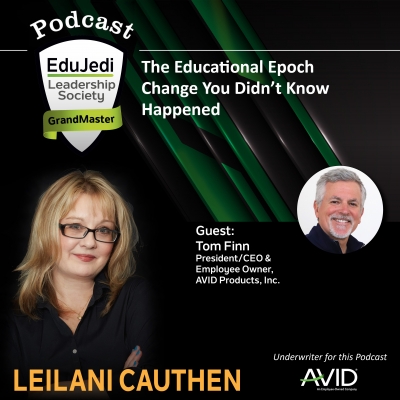
    Podcast: The Educational Epoch Change You Didn’t Know Happened

    April 1, 2022
    By Charles Sosnik
  • FeaturedTechnology

    Education, the Brain and Learning Outcomes

    August 19, 2022
    By Charles Sosnik
  • FeaturedHow Learning WorksOp-EdTechnology

    Celebrate Good Times: Come On!

    November 21, 2023
    By Charles Sosnik
  • Education NewsFeaturedHow Learning WorksInnovationTechnology

    It’s Time To Unlearn & Relearn Learning

    September 26, 2019
    By Robyn Shulman
© Copyright 2011-2026, EdNews Daily. All rights reserved.