
Giving Teachers and Students the Skills to Save a Life

Guest article written by John Perkins
For years, many organizations have been pushing for the adoption of life-saving, CPR instruction in school curriculum. In 2003, the International Liaison Committee on Resuscitation published information that year on the importance of those kinds of classes, and ever since then the American Heart Association has been right behind them, recommending that all teachers and secondary education students receive training in CPR and first aid.
There has been varying levels of interest from different state legislatures since then. While it may seem like an obvious necessity to train adults who work with so many children to handle emergency situations, not all states mandate the curriculum. In fact, some states only require that students are able to “recognize” the steps of CPR. Anyone can recognize the steps simply based on a dramatic moment in their favorite TV show. Being able to provide an adequate response to an emergency, though, is something else entirely.
The three most commonly cited reasons for this is lack of funds, time, and instructor training and scheduling. Despite these perceived barriers, the AHA still reminds us of the importance of acquiring these skills because it goes beyond the school door. Rather than focusing on immediate benefits, they’re thinking in terms of populating entire communities with people who have lifesaving skills.
Bystander CPR is a critical component in determining the survival rates of out-of-hospital cardiac arrests. While it is hard to imagine a student experiencing a heart attack, there are many different situations that require first aid and a confident emergency response. It’s not just about knowing what to do – it’s having the confidence to do it. And when a student requires aid, there’s no reason for people to stand back, questioning whether or not they have the skills to act.
Modern Methodologies
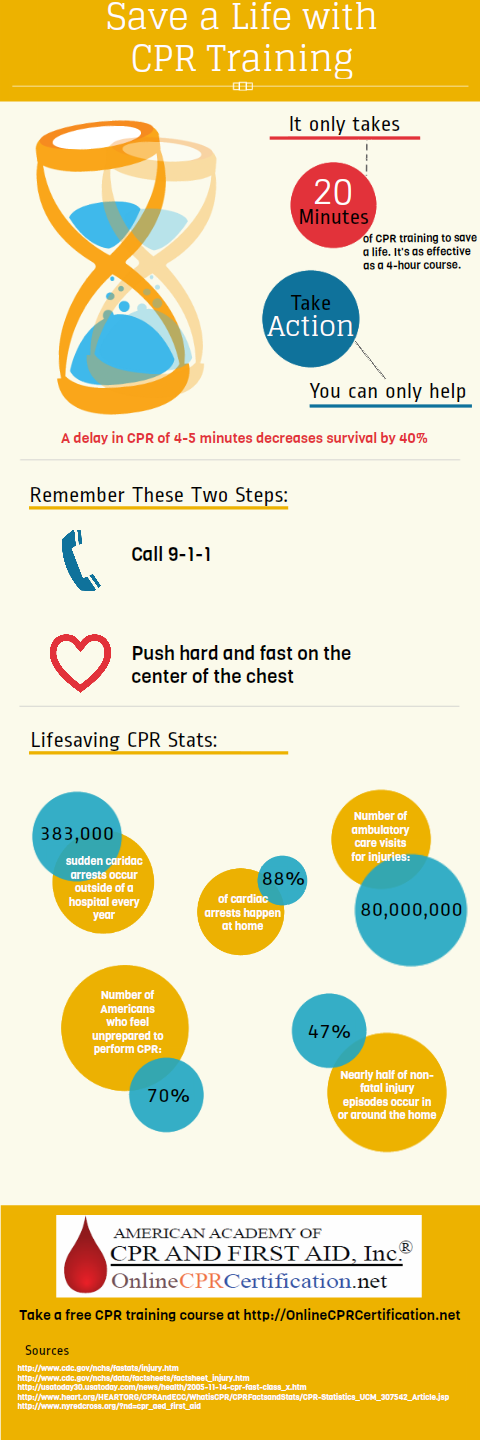
Traditionally, a CPR class would require 4-hours of hands-on coursework. This is where the problems with scheduling and costs could become a problem in many districts. However, some more recent studies suggested that these types of traditional courses do not provide a better education than a shorter, 20-minute class delivered through multimedia outlets. By blending these modern, affordable methods into the traditional curriculum, the students and teacher are much more likely to remember their lessons.
A Recent Case
In Virginia, the state legislature recently passed a law that requires any teacher looking to get or renew their license to prove they have been trained in CPR and first aid. Any individual school board also has the authority to require bus drivers to do the same, if they choose to take it that extra step. This is just the first phase, though, and by the 2016-17 school year, ninth graders will have to be trained in CPR before they can graduate.
This is just the latest case, but it does help to highlight the trend that state legislatures are recognizing the importance of these skills, and they are acting to provide access to the necessary resources. There are a lot of modern options available to receive qualified training, and this means there will be more qualified individuals provide the necessary care in an emergency situation – both in and out of school.
About the author:
John Perkins works as a marketing manager with OnlineCPRCertification.net and enjoys writing about topics related to health and wellness. In his free time, he enjoys wake boarding, going to concerts, and cooking with fresh ingredients.


